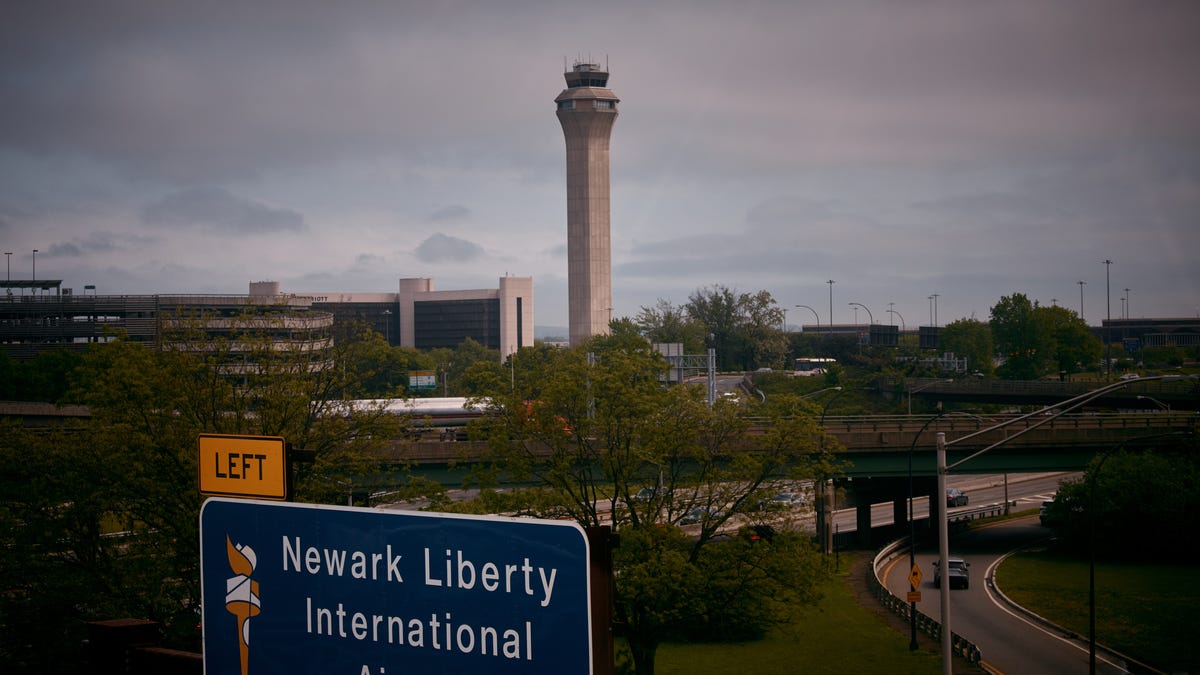
Newark Airport Flight Cancellations Spark Nationwide Travel Concerns
Newark Liberty International Airport (EWR) is experiencing escalating flight cancellations, with over 150 flights scrapped this week alone, prompting Transportation Secretary Pete Buttigieg to warn of potential ripple effects across U.S. air travel. The disruptions, primarily caused by severe weather and air traffic control staffing shortages, have left thousands of passengers stranded as peak summer travel season reaches its zenith. Aviation experts caution the situation may worsen without immediate intervention.
Perfect Storm of Operational Challenges
The nation’s third-busiest airport has become ground zero for travel chaos, with cancellation rates tripling the national average at 8.4% compared to 2.7% systemwide. Data from FlightAware reveals:
- Wednesday saw 58 cancellations (7% of scheduled flights)
- Thursday marked 72 cancellations (9% of operations)
- Projections suggest 20% weekend cancellation rates
“This isn’t just a Newark problem—it’s a systemic threat,” said aviation analyst Rebecca Shaw of the Air Transport Research Group. “When a major hub like EWR stumbles, it creates domino effects that can take weeks to resolve. We’re seeing particularly severe impacts on United Airlines, which controls 70% of Newark’s slots.”
Government and Industry Responses
Transportation Secretary Buttigieg convened emergency meetings with airline executives and FAA administrators, stating: “We’re deploying all available tools to stabilize operations, including authorizing additional flight paths and prioritizing Newark-bound relief crews. However, passengers should prepare for ongoing disruptions through at least July 15.”
The FAA attributes 40% of recent cancellations to thunderstorms along the Eastern Seaboard, while airlines cite:
- ATC staffing shortages (35% of cases)
- Crew scheduling limitations (15%)
- Equipment shortages (10%)
Passenger Experiences Highlight Systemic Vulnerabilities
Terminal C became a makeshift campground Thursday night as United passengers like Mark Tolbert, a pharmaceutical executive, described scenes of chaos: “After three cancellations, they handed me a toothbrush kit and pointed to floor space near Gate 72. The airline apps can’t keep up—gate changes appear faster than airport displays can refresh.”
Airline Compensation Policies Under Scrutiny
Consumer advocates report a 300% increase in complaints about Newark-related disruptions. “Airlines are playing compensation limbo—how low can they go?” remarked Travelers United president Charles Leocha. “We’re seeing more passengers getting meal vouchers instead of hotel rooms for overnight delays, despite DOT guidelines.”
Major carriers have issued updated policies:
- United: Waiving change fees for Newark flights through 7/10
- Delta: Offering $500 travel credits for 6+ hour delays
- American: Extending rebooking windows to 14 days
Broader Implications for Summer Travel
The Newark disruptions coincide with TSA screening volumes hitting 98% of 2019 levels, with 2.56 million passengers processed nationwide on Wednesday. Aviation consultants warn other hubs may face similar strains:
- Chicago O’Hare: 5.2% cancellation rate this week
- Dallas/Fort Worth: 4.8% disruption rate
- Hartsfield-Jackson Atlanta: 3.9% cancellations
“The system is operating without margin for error,” said MIT aviation researcher Dr. Ian Rasmussen. “Our models show that when any two major hubs experience simultaneous disruptions exceeding 5%, the entire network begins to fray.”
Proactive Measures for Travelers
Industry experts recommend passengers:
- Book morning flights (63% fewer cancellations than evening departures)
- Opt for nonstop routes (2.5x more reliable than connections)
- Enable real-time alerts through airline apps and FlightAware
- Know rights to compensation under DOT regulations
Looking Ahead: Policy Changes and Infrastructure Demands
The FAA Reauthorization Act’s $105 billion budget includes provisions to address several root causes:
- Hiring 1,800 new air traffic controllers by 2025
- Modernizing NOTAM systems by September
- Deploying surface surveillance tech at 35 major airports
However, Port Authority officials stress that Newark’s century-old infrastructure needs urgent upgrades. “We’re accelerating Terminal A’s expansion, but realistically need $3 billion in runway and taxiway improvements,” said Port Authority Aviation Director Huntley Lawrence.
As thunderstorms loom over the Northeast this weekend, travelers are advised to check EWR’s official site hourly for updates. With climate change increasing severe weather events and passenger demand continuing to surge, the aviation industry faces its most complex operational challenge since post-9/11 recovery.
See more BBC Travel World


