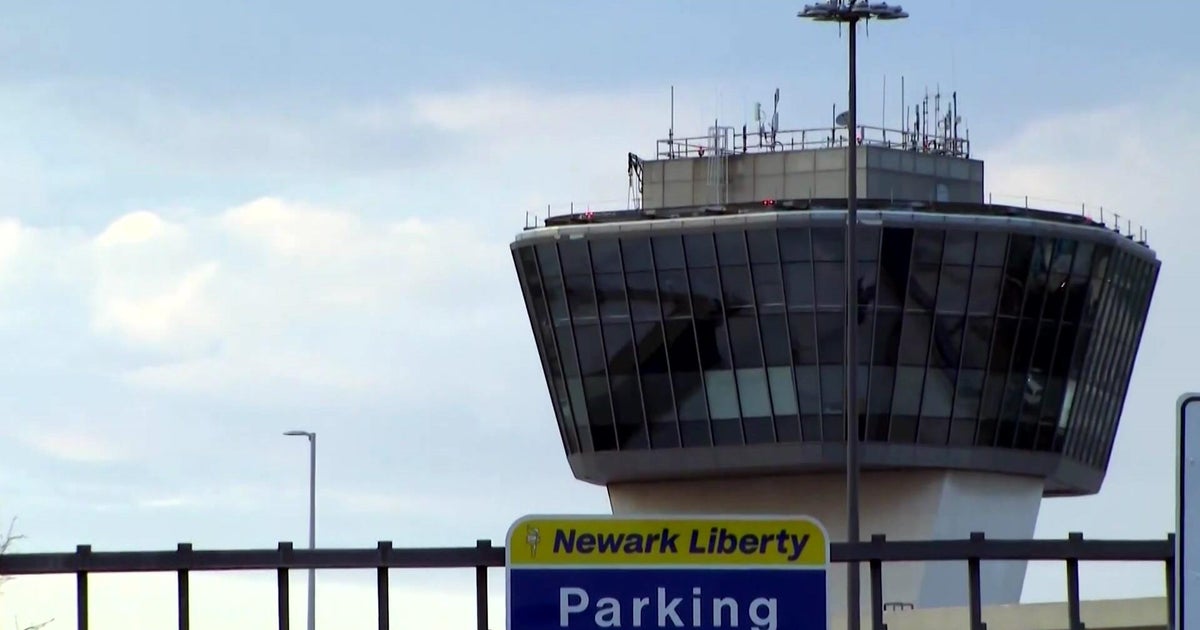
Newark Airport Controllers on Trauma Leave Amid Ongoing Delays: What’s Behind the Crisis?
Newark Liberty International Airport (EWR) faces escalating disruptions as multiple air traffic controllers take trauma leave following eight consecutive days of severe flight delays. The Federal Aviation Administration (FAA) confirmed the absences come amid record-high summer travel demand, aging infrastructure, and staffing shortages—a perfect storm straining both workers and travelers. Aviation experts warn the situation exposes systemic vulnerabilities in the U.S. air traffic control system.
Staffing Crisis Meets Surging Travel Demand
The FAA reports Newark’s Terminal Radar Approach Control (TRACON) facility, which manages arrivals and departures within a 40-mile radius, is operating at just 54% of its optimal staffing capacity. Meanwhile, passenger volumes have rebounded to 115% of pre-pandemic levels, with over 1.8 million travelers passing through EWR in July alone. Controllers describe untenable conditions:
- Mandatory overtime shifts exceeding 60 hours weekly
- Frequent “stacking” of arrival flights due to congestion
- Near-miss incidents doubling since 2022 according to NASA’s Aviation Safety Reporting System
“When you’re responsible for 2,000 lives every hour while juggling outdated software and thunderstorms, it’s not if but when burnout hits,” said former FAA administrator Michael Huerta, who now advises the National Air Traffic Controllers Association (NATCA).
The Human Toll of Aviation Gridlock
Four controllers have taken medical leave in the past week under provisions of the FAA’s Critical Incident Stress Management program. One anonymous controller described a July 12 shift where 28 aircraft entered holding patterns simultaneously: “The screens looked like a swarm of bees. After six hours, I started seeing phantom blips.”
Psychologists note such reactions align with operational stress injuries. Dr. Ellen Bass, an aviation human factors specialist at Drexel University, explains: “Chronic understaffing creates decision fatigue. When controllers reach cognitive overload, mistakes become inevitable—that’s when trauma occurs.”
Data reveals alarming trends:
- FAA-reported controller errors at Newark rose 37% year-over-year
- NATCA surveys show 72% of controllers feel safety margins have eroded
- Average delay per flight now exceeds 90 minutes during peak periods
Infrastructure Challenges Compound Stress
Newark’s problems reflect broader issues. The airport still uses:
- Analog backup systems from the 1990s
- Radar technology predating GPS navigation
- A runway configuration unchanged since 1973 despite 400% more traffic
“We’re asking controllers to play 4K video on a VCR,” said aviation analyst Richard Aboulafia. “The $5 billion NextGen modernization program is six years behind schedule, and Newark isn’t even in phase one.”
Meanwhile, airlines face backlash. JetBlue and United—which operate 60% of EWR flights—have canceled 287 July departures. Traveler complaints to the DOT surged 210% this month.
Path Forward: Solutions and Compromises
The FAA announced three immediate measures:
- Reducing peak arrival rates from 48 to 32 flights per hour
- Deploying 12 temporary controllers from less congested facilities
- Implementing “flow control” restrictions 150 miles from the airport
Long-term solutions remain contentious. While airlines push for accelerated automation, unions demand hiring 3,000 new controllers nationwide. The DOT’s inspector general notes training pipelines can’t keep up—only 322 controllers graduated last year despite 1,200 retirements.
What Travelers Should Expect
With no quick fix in sight, passengers are advised to:
- Book morning flights (76% fewer delays before 9 AM)
- Allow 3+ hour connections for international trips
- Monitor FAA’s real-time delay map
As the busy summer season continues, all stakeholders agree: Newark’s crisis underscores urgent needs for modernization, sustainable staffing, and mental health support in aviation’s high-stress roles. The coming months will test whether incremental fixes can prevent systemic collapse—or if more traumatic breakdowns lie ahead.
See more BBC Travel World


