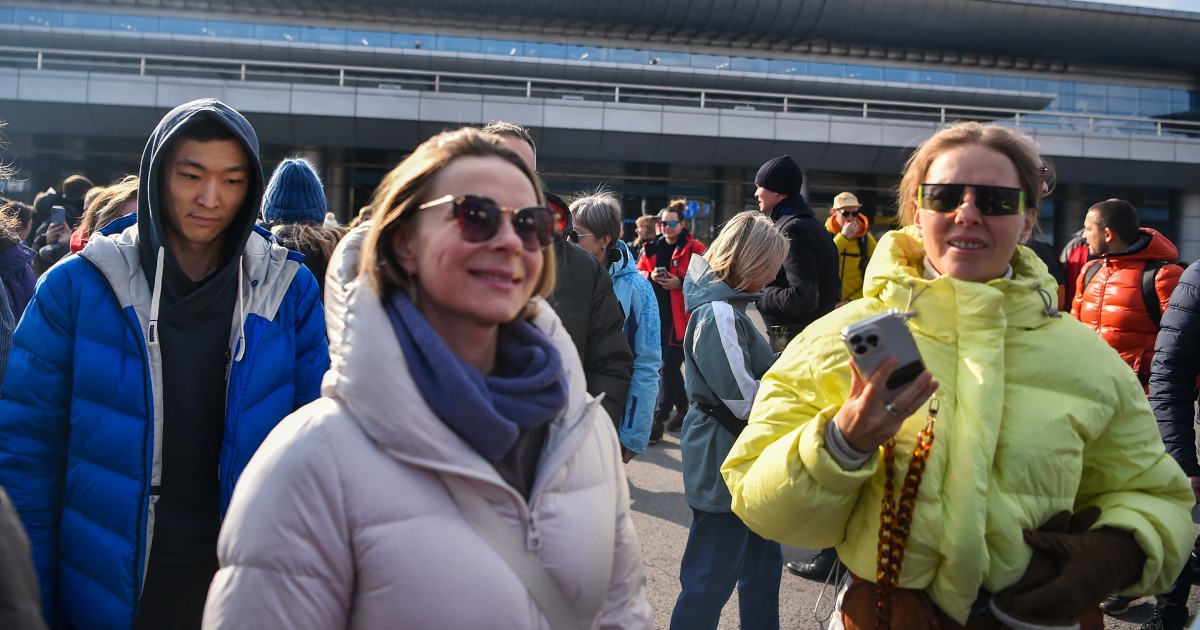
North Korea’s Surprising U-Turn: The Halt of Foreign Tourism
Just weeks after welcoming Western visitors for the first time in years, North Korea has made the unexpected decision to suspend foreign tourism. This abrupt shift raises questions about the nation’s travel policies and the implications for international relations. The recent re-emergence of tourism was seen as a sign of easing tensions and a potential opening to the outside world, but the sudden halt indicates that the situation is more complex than it appears.
The Brief Reopening of North Korea
After a lengthy period of strict lockdowns and border closures due to the COVID-19 pandemic, North Korea took a significant step by reopening its doors to foreign tourists in early 2023. This move was welcomed by many, especially those in the travel and tourism sectors who had been anticipating the return of visitors eager to experience the unique culture and history of the hermit kingdom.
Initial Steps Towards Normalcy
The reopening included a series of guided tours, primarily focused on historical sites, cultural experiences, and the stunning landscapes of the country. Tour operators reported a surge of interest, with many travelers eager to witness North Korea’s distinct way of life first-hand. The government appeared to embrace this influx, showcasing its attractions while maintaining strict control over the experience, as is customary in the regime.
- Guided tours to Pyongyang, the capital, featuring landmarks such as the Kim Il-sung Square.
- Visits to the Demilitarized Zone (DMZ) highlighting the division between North and South Korea.
- Experiences focused on traditional North Korean cuisine and performances.
This brief moment of openness seemed to suggest a potential shift in North Korea’s approach to engagement with the outside world, raising hopes for improved international relations and understanding.
The Sudden Halt of Foreign Tourism
Reasons Behind the Suspension
Several factors might explain why North Korea chose to halt foreign tourism so abruptly:
- Health Concerns: Despite the reopening, North Korea has maintained a cautious stance regarding COVID-19. The government may be prioritizing public health over tourism, fearing potential outbreaks linked to foreign visitors.
- Political Tensions: The geopolitical landscape remains volatile, with ongoing tensions between North Korea and various nations, particularly the United States and South Korea. Any perceived threat could lead to a tightening of policies.
- Control Over Information: The regime is known for its strict control over information and foreign influence. A sudden influx of foreign tourists may have raised concerns about the potential for cultural exchange that could undermine the government’s narrative.
These factors illustrate the delicate balance North Korea must maintain between opening up to the outside world and preserving its regime’s stability.
The Implications for International Relations
The halt of foreign tourism poses significant implications for North Korea’s international relationships. In a world where tourism often serves as a bridge between cultures, the suspension could hinder any progress made towards diplomatic engagement.
Impact on Tourism Industry
The tourism industry is a vital sector for many countries, including North Korea, which relies on foreign visitors for economic support. The sudden stop may lead to financial losses for local businesses and tour operators who had just begun to recover from the pandemic’s impact.
This suspension could also signal to potential investors and foreign governments that North Korea remains unpredictable and resistant to long-term engagement strategies, which can hinder potential diplomatic negotiations.
What’s Next for North Korea?
As the world watches North Korea’s next steps, there are several possible scenarios. The regime may choose to reconsider its tourism policies in the future, depending on global health developments or shifts in international relations. Alternatively, North Korea could continue to adopt an isolationist stance, limiting foreign interactions to maintain control over its narrative and society.
Future Trends in North Korean Tourism
Should North Korea eventually reopen its borders again, here are some trends that might emerge:
- Enhanced Health Protocols: Expect stricter health measures, such as testing and vaccination requirements for incoming tourists.
- Selective Tourism: North Korea may opt for a more controlled tourism experience, allowing only specific groups or individuals deemed ‘safe’ for visitation.
- Digital Engagement: Increased use of virtual tours and digital experiences could be a way to engage global audiences without the risks associated with physical travel.
Conclusion
North Korea’s surprising U-turn in halting foreign tourism after a brief reopening highlights the complexities of the nation’s relationship with the outside world. As much as the world hopes for engagement and understanding, the realities of political tensions and health concerns continue to shape North Korea’s travel policies. Moving forward, it will be crucial for both the international community and North Korea to find common ground that fosters dialogue while respecting each other’s concerns.
The situation remains fluid, and all eyes will be on North Korea to see how it navigates its path in the coming months and years. For now, though, the sudden halt serves as a reminder of the delicate balance between openness and control in one of the world’s most enigmatic nations.
See more BBC Travel World


