Bridging Time: The Fusion of Science and Tradition in China’s Forbidden City Restoration
In the heart of Beijing lies the Forbidden City, a sprawling complex that has stood as a testament to China’s rich imperial history for over five centuries. As one of the most significant cultural heritage sites in the world, it has faced the relentless march of time, suffering from natural wear, pollution, and human intervention. However, a remarkable initiative has emerged, merging modern technology with ancient practices to restore this iconic landmark. This innovative approach not only aims to preserve the cultural heritage of the Forbidden City but also unveils fascinating insights into its storied past.
The Historical Significance of the Forbidden City
The Forbidden City served as the imperial palace for 24 emperors during the Ming and Qing dynasties. Its intricate architecture, rich colors, and symbolic designs reflect the zenith of Chinese artistic achievement and the profound beliefs of Confucianism and Daoism. With nearly 1,000 buildings and an area of over 180 acres, the complex is a UNESCO World Heritage site, drawing millions of visitors each year.
However, as the years have passed, the structures within the Forbidden City have deteriorated. Environmental factors, vandalism, and the sheer volume of tourists have taken their toll. Recognizing the urgent need for restoration, experts have embarked on a comprehensive project that utilizes both innovative technology and traditional craftsmanship.
The Role of Technology in Restoration
At the forefront of the restoration efforts in the Forbidden City is the application of cutting-edge technology. Experts have adopted various scientific methods to assess the condition of the buildings and artifacts accurately. Some of the key technologies employed include:
- 3D Scanning and Modeling: High-definition 3D scanning allows restorers to create detailed digital models of the structures. These models help in understanding the architectural intricacies and planning restoration work without compromising the original design.
- Material Analysis: Advanced techniques such as spectroscopy and X-ray fluorescence are used to analyze the materials used in the construction of the Forbidden City. Understanding the composition of these materials is crucial for selecting appropriate restoration methods.
- Climate Control Systems: To protect the artifacts from environmental damage, state-of-the-art climate control systems have been installed. These systems monitor humidity and temperature levels, ensuring that the delicate materials remain stable.
Integrating Traditional Techniques
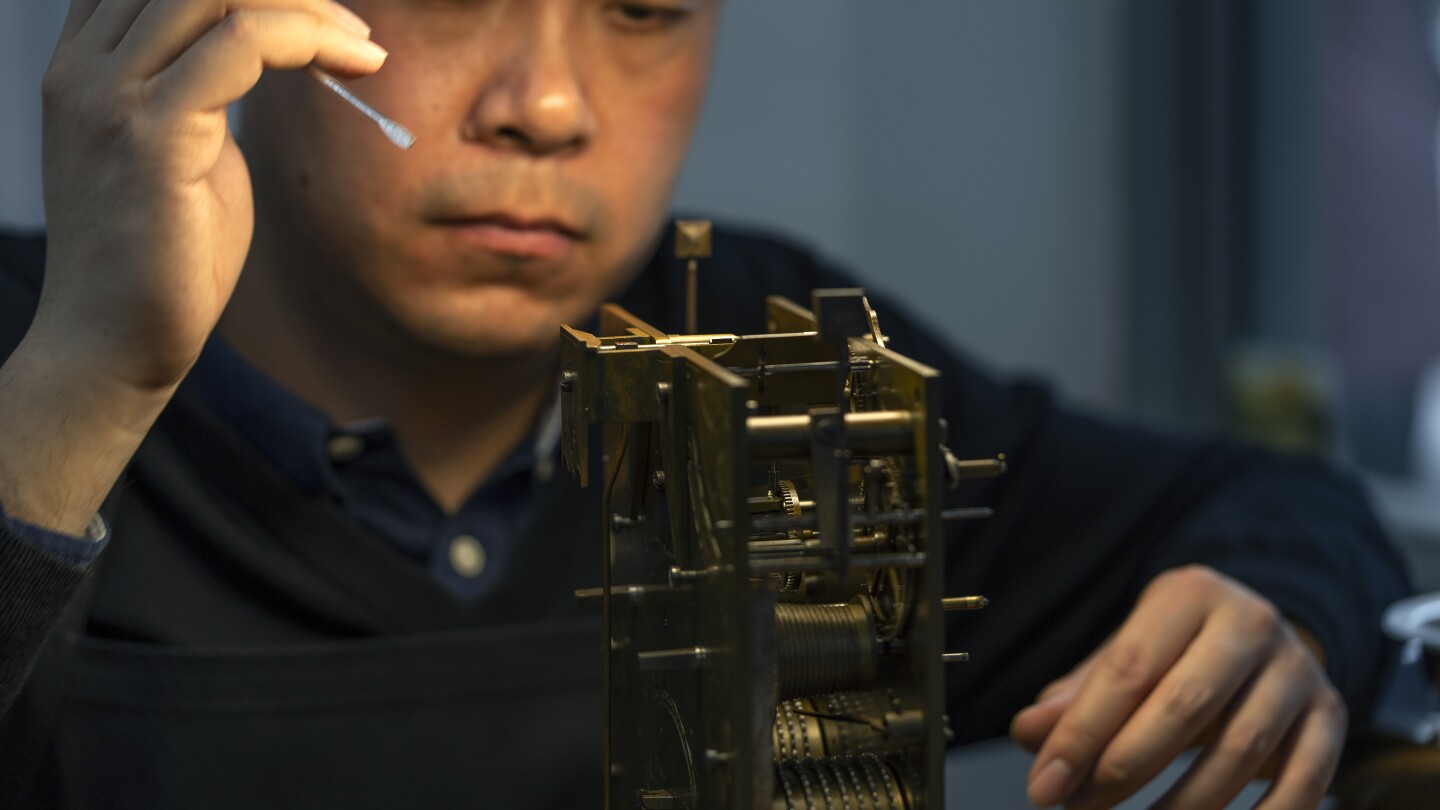
While technology plays an essential role, the restoration of the Forbidden City heavily relies on traditional craftsmanship. Skilled artisans who have honed their skills over generations are actively involved in the restoration process. Some of the traditional methods being utilized include:
- Handcrafted Joinery: In the restoration of wooden structures, traditional joinery techniques are favored over modern screws and nails. This method not only preserves the integrity of the original design but also ensures the longevity of the restoration.
- Natural Pigments and Materials: When it comes to painting and decorating, artisans use natural pigments and materials that reflect the original colors and styles used during the Ming and Qing dynasties. This commitment to authenticity is crucial for the cultural integrity of the restoration.
- Traditional Roofing Techniques: The roofs of the Forbidden City are iconic, characterized by their upward-curving edges and colorful glazed tiles. Restorers are trained in traditional roofing techniques to ensure that repairs maintain the historical accuracy of the structures.
Collaboration Across Disciplines
The restoration project involves a multidisciplinary approach, bringing together historians, architects, conservationists, and artisans. This collaboration ensures that every aspect of the restoration is thoroughly considered, with insights drawn from various fields. For example, historians provide context regarding the significance of architectural elements, while conservationists advise on best practices for preserving materials.
This fusion of science and tradition is not merely about restoring physical structures; it is also about bridging the gap between past and present. The knowledge gained from the restoration process contributes to a deeper understanding of China’s historical narrative and cultural identity.
Community Involvement and Education
Engaging the community is another vital component of the restoration efforts. Educational programs are being developed to raise awareness about the importance of preserving cultural heritage. Workshops, exhibitions, and lectures offer opportunities for the public to learn about traditional crafts and restoration techniques.
Moreover, the Forbidden City’s restoration serves as a model for other heritage sites globally, demonstrating how a balanced approach can yield positive outcomes. By showcasing the restoration process, visitors can appreciate not just the final results but also the journey of preservation.
Insights Gained from the Restoration Process
The ongoing restoration of the Forbidden City has revealed fascinating insights into ancient Chinese architecture and urban planning. For instance, the discovery of previously hidden structural elements has provided clues about the construction techniques used centuries ago. Archaeological findings, such as remnants of ancient tools and materials, have also enriched our understanding of the daily lives of those who inhabited the palace.
Additionally, this project emphasizes the importance of sustainable practices in heritage conservation. By utilizing locally sourced materials and traditional methods, the restoration aligns with modern sustainability principles, ensuring that future generations can enjoy and learn from these cultural treasures.
Conclusion: A Timeless Legacy
The restoration of China’s Forbidden City is a remarkable endeavor that bridges the temporal divide between ancient traditions and modern innovations. By fusing science and tradition, experts not only breathe new life into this historic site but also foster a deeper appreciation for the past. As the restoration progresses, it serves as a beacon of hope, illustrating the potential for cultural preservation in an ever-changing world.
In embracing both technology and tradition, the project stands as a testament to the resilience of China’s cultural heritage. It invites us all to reflect on the importance of maintaining our historical narratives, ensuring that they continue to inform and inspire future generations.
See more BBC Travel World


