Santorini’s New Escape Port: A Strategic Response to Ongoing Seismic Threats
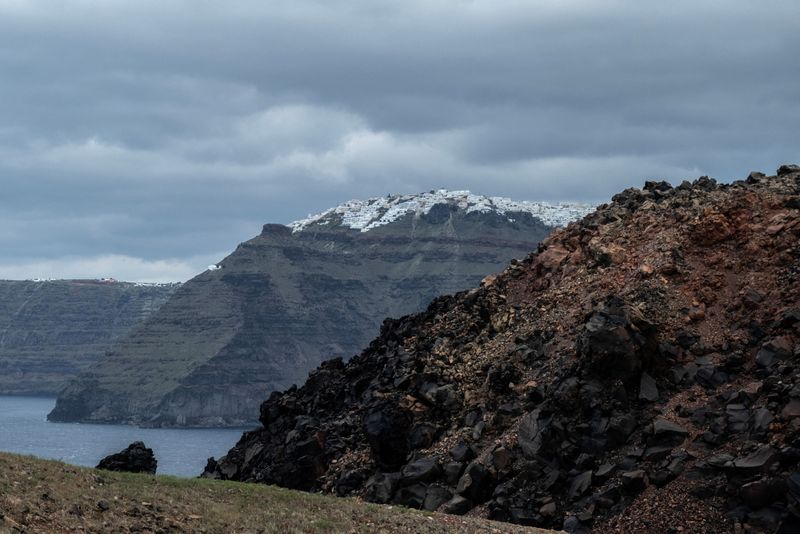
As the sun sets over the iconic caldera of Santorini, a sense of tranquility often envelops the island, drawing millions of tourists each year. However, beneath this picturesque facade lies a reality that cannot be ignored: Santorini is situated in a seismically active region. Recent earthquakes have prompted the Greek government to take significant measures to enhance safety for both residents and visitors. One such initiative is the planned construction of a new escape port, aimed at improving emergency response capabilities in the event of a seismic event.
The Need for an Escape Port
The idea of an escape port is not just a precautionary measure; it is a response to the increasing frequency and intensity of seismic activity in the Aegean region. Santorini, part of the Cyclades island group, is known for its stunning landscapes and rich history, but it is also at risk from volcanic activity and earthquakes. The island’s geological instability necessitates a robust emergency response system to safeguard lives and properties.
- Seismic Activity: Santorini experiences numerous small to moderate earthquakes annually, with some capable of causing significant damage.
- Tourism Considerations: With millions flocking to Santorini each year, ensuring their safety is paramount for the local economy and the island’s reputation.
- Infrastructure Resilience: The existing infrastructure must be evaluated and enhanced to withstand potential seismic shocks and provide safe evacuation routes.
Strategic Planning for the Escape Port
The new escape port will be strategically located to facilitate efficient evacuation during an emergency. This project involves extensive planning and collaboration between various stakeholders, including government agencies, local authorities, and engineering experts. The aim is to create a facility that not only serves as a safe exit point but also enhances the island’s overall infrastructure.
Key features of the escape port project include:
- Accessibility: The port will be designed for easy access, ensuring that both residents and tourists can reach it quickly in the event of an emergency.
- Capacity: It will have the capacity to accommodate multiple vessels simultaneously, allowing for a swift evacuation of large numbers of people.
- Emergency Services: The port will be equipped to support emergency services, providing a base for search and rescue operations if needed.
Funding and Support for the Initiative
Securing funding for the escape port is a crucial aspect of this initiative. The Greek government is actively seeking both national and international support to finance the project. Potential funding sources include:
- Government Grants: National government funding aimed at improving disaster preparedness can be utilized.
- European Union Support: The EU often provides financial assistance for infrastructure projects, especially those related to disaster risk reduction.
- Private Sector Partnerships: Collaborations with private companies can also help fund the construction and maintenance of the port.
Community Involvement and Awareness
Engaging the local community is vital for the success of the escape port. The government plans to involve residents in the planning process, ensuring that their concerns and suggestions are heard. This participatory approach not only fosters a sense of ownership among locals but also enhances the effectiveness of the emergency response strategy.
Educating Residents and Tourists
In addition to building the escape port, there will be a strong emphasis on education and preparedness. The government aims to implement awareness programs that will:
- Provide Training: Offer training sessions for locals on emergency response and evacuation procedures.
- Inform Tourists: Distribute information to tourists about what to do in case of an earthquake, including the location of the escape port.
- Conduct Drills: Organize regular drills to practice evacuation procedures, ensuring everyone knows how to respond in a crisis.
Environmental Considerations
Any construction project on Santorini must also take into account the unique environmental characteristics of the island. The escape port will be designed with sustainability in mind, utilizing eco-friendly materials and minimizing ecological impact. Key considerations include:
- Preserving Marine Life: The construction will aim to protect the surrounding marine ecosystem, ensuring that local wildlife is not adversely affected.
- Land Use: Careful planning will be necessary to minimize disruption to the island’s landscape and existing infrastructure.
- Waste Management: Implementing efficient waste management systems during and after construction to reduce pollution.
Conclusion: A Safer Future for Santorini
The construction of Santorini’s new escape port is a significant step towards ensuring the safety of its residents and tourists in the face of ongoing seismic threats. This strategic initiative reflects a broader commitment by the Greek government to enhance disaster preparedness in one of the country’s most cherished tourist destinations. By investing in infrastructure, fostering community involvement, and emphasizing education, Santorini is not only addressing immediate safety concerns but also setting a precedent for other vulnerable regions worldwide.
As plans for the escape port evolve, it is essential for all stakeholders to work collaboratively, ensuring that the project meets the needs of the community while protecting the island’s stunning beauty and cultural heritage. With effective implementation, Santorini can look forward to a future where safety and serenity coexist, allowing its charm to shine even brighter.
See more BBC Travel World


