The Seat-Swap Saga: A Social Media Debate on Air Travel Etiquette
In recent weeks, a single incident onboard an airline flight has ignited a social media storm, sparking conversations about etiquette, personal boundaries, and the complexities of interacting with strangers in confined spaces. The so-called “Seat-Swap Saga” began when one passenger’s refusal to swap seats with another passenger drew attention, leading to widespread debate online. This incident has not only highlighted individual preferences but also delved into deeper social dynamics that come into play during air travel.
The Incident: A Brief Overview
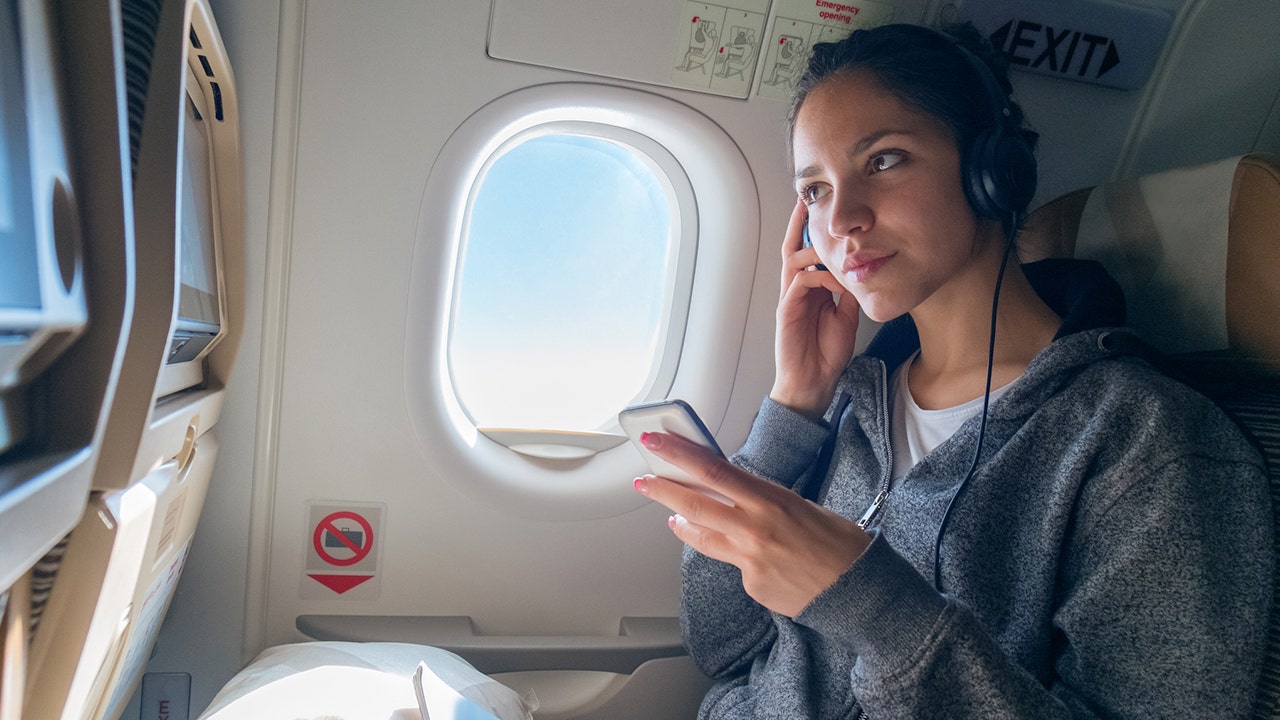
The controversy began when a passenger, seated in a window seat, was approached by another traveler who requested a seat swap. The requester wanted to move from an aisle seat to the window seat for various reasons, perhaps to enjoy the view or to have a more comfortable experience. However, the passenger in the window seat declined the request, citing personal reasons for wanting to remain where they were. This seemingly simple exchange quickly escalated, fuelled by social media reactions that varied from support to criticism.
Understanding the Social Dynamics of Air Travel
Air travel is often a microcosm of society, where individuals from diverse backgrounds come together in a confined space for several hours. This proximity can lead to various social interactions, both positive and negative. The Seat-Swap Saga illustrates how such interactions can quickly spiral into broader discussions about respect, empathy, and the unwritten rules of etiquette that govern human behavior in close quarters.
- Personal Space and Boundaries: One of the primary considerations in the seat-swap debate is the concept of personal space. Each passenger has their own definition of comfort and boundaries, which can vary widely based on individual experiences and cultural backgrounds.
- Etiquette Expectations: Many travelers have unwritten expectations about how to behave in shared spaces. Some believe that swapping seats is a common courtesy, while others feel that one should remain in their assigned seat unless there is a compelling reason to change.
- Communication Styles: The way individuals communicate can also impact such interactions. A polite request can be met with understanding, while a demanding tone can lead to defensiveness and conflict.
The Role of Social Media in Amplifying the Incident
The Seat-Swap Saga gained momentum when social media users began sharing their opinions on platforms like Twitter, Facebook, and Instagram. This rapid dissemination of information transformed a private disagreement into a public spectacle, showcasing the power of social media to influence perceptions and attitudes. Here are some ways social media played a role:
- Amplification of Opinions: Users from all over the world chimed in, offering their perspectives, which ranged from supportive of the refusal to critical of the passenger’s lack of willingness to accommodate.
- Viral Memes and Reactions: As with many social media-driven discussions, humorous memes and reactions emerged, poking fun at the situation and furthering the conversation.
- Polarization of Views: The incident highlighted the divide in opinions about personal boundaries and social etiquette. Some viewed the refusal as a reasonable exercise of personal choice, while others saw it as a breach of social norms.
Insights into Air Travel Etiquette
The Seat-Swap Saga brings to light the broader implications of air travel etiquette and the necessity for clear communication. Understanding the nuances of social interaction in these situations is crucial. Here are some insights to consider:
- Respect for Individual Choices: Every passenger has their own reasons for choosing or refusing to swap seats. Respecting these choices, even when they conflict with one’s desires, is essential for maintaining a harmonious travel environment.
- Importance of Polite Communication: Approaching a seat swap request with politeness and respect increases the likelihood of a positive outcome. Framing requests as invitations rather than demands can ease tensions.
- Understanding Context: It’s vital to consider the context of the request. For example, if a passenger is traveling with children or has mobility issues, their need for a specific seat assignment may be more pressing.
Broader Implications: The Need for Empathy
Beyond the immediate context of the Seat-Swap Saga, this incident emphasizes the need for empathy in our everyday interactions. In a world where social media can amplify disagreements, it’s crucial to approach each situation with an understanding that everyone has their reasons for their actions. This is especially true in high-stress environments like airports and airplanes, where emotions can run high.
Here are some takeaways for travelers:
- Practice Patience: Travel can be stressful, but maintaining a calm demeanor and practicing patience can significantly improve the atmosphere for everyone involved.
- Be Open to Dialogue: Engaging in open, honest dialogues can often lead to mutual understanding, even in situations where initial opinions differ.
- Foster a Sense of Community: Recognizing that everyone is navigating their own challenges can create a sense of camaraderie among passengers, enhancing the overall travel experience.
The Seat-Swap Saga serves as a reminder that air travel is not just a means of transportation; it is a social experience that requires a delicate balance of empathy, understanding, and respect for personal boundaries. As travelers, we all share the responsibility to foster a positive environment, where communication is open and differences are navigated with grace. In a world increasingly divided by opinions, let’s strive for kindness and understanding, one flight at a time.
As the conversation continues, let’s remember that every interaction offers an opportunity to learn and grow, both personally and collectively. The next time you find yourself in a similar situation, consider the perspectives of others and approach the interaction with an open heart and mind. After all, we’re all in this together, soaring through the skies.
See more BBC Travel World


