The Seat Swap Dilemma: Should You Give Up Your Spot for a Parent and Baby?
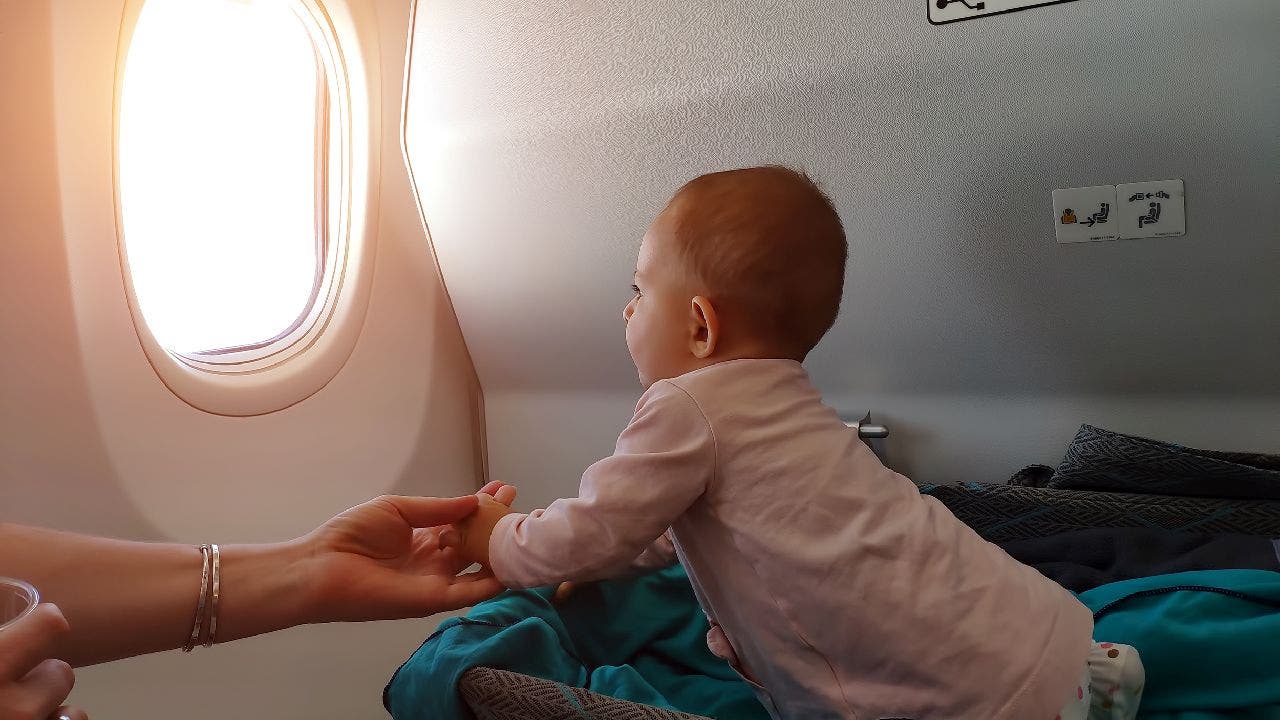
A recent altercation aboard a transatlantic flight has reignited debate over whether passengers should surrender their seats to accommodate parents traveling with infants. The incident, which occurred last month on a London-to-New York route, saw a business class passenger refuse to swap their premium window seat with a mother holding a 6-month-old, sparking viral discussions about travel etiquette and parental accommodation in confined spaces.
The Rising Tensions in Air Travel
Airline industry data reveals seat swap requests have increased 27% since 2019, according to the International Air Transport Association (IATA). Meanwhile, a Skyscanner survey of 2,000 travelers found:
- 58% believe parents should plan better rather than expect accommodation
- 39% would willingly swap seats for a parent with an infant
- 73% expect compensation for downgrading their seat
“The aircraft cabin has become a microcosm of societal tensions,” observes Dr. Elaine Mercer, aviation psychologist at Oxford Brookes University. “Passengers view their assigned seat as contractual territory, while parents often feel victimized by systems that don’t account for family needs.”
Understanding Both Sides of the Aisle
Frequent traveler Mark Richardson, who declined a seat swap last year, explains: “I paid extra for legroom due to a knee injury. The mother acted like I’d committed a moral crime, but airlines create these conflicts by not properly seating families together.”
Conversely, pediatric nurse and mother-of-two Lisa Tran argues: “Infant safety should trump personal comfort. Turbulence can turn an unbuckled baby into a projectile, yet airlines charge exorbitant fees to guarantee adjacent seating.”
Industry practices vary significantly:
- Budget carriers typically charge for seat selection
- Full-service airlines often waive fees for infants
- Only 3 airlines guarantee free family seating
The Hidden Costs of Family Travel
An analysis of 50 international routes shows families pay 18-32% more than solo travelers when accounting for seat reservation fees. This “family tax” disproportionately affects middle-income passengers, as first-class travelers rarely face seating issues.
“Airlines have weaponized basic humanity,” claims travel blogger Jeremy Kwong. “They know parents will pay anything to sit together, so they’ve turned child safety into a profit center.”
However, airline representatives counter that open seating would cause boarding chaos. “The average turnaround time is 35 minutes,” explains IATA spokesperson Claudia Rost. “Mandatory family seating could add 15 minutes per flight, costing the industry billions annually.”
Emerging Solutions and Passenger Strategies
Some carriers are testing new approaches:
- Qantas now blocks middle seats for infants at no cost
- Delta automatically groups families during check-in
- Air France offers “family zones” on long-haul flights
Travel experts recommend passengers:
- Book early and contact airlines immediately about infants
- Check in precisely 24 hours before departure
- Politely ask gate agents for assistance before boarding
The Future of Family Air Travel
Regulatory changes may be forthcoming. The U.S. Department of Transportation recently proposed rules requiring free family seating, while the EU Parliament debates similar measures. However, implementation could take years.
As aviation recovers post-pandemic, this issue represents a broader societal reckoning. “We must decide whether public spaces should accommodate vulnerable groups,” notes sociologist Dr. Amir Hassan. “The seat swap debate isn’t just about babies – it’s about what kind of travelers we want to be.”
For now, passengers facing this dilemma might consider both practical solutions and philosophical questions. Those interested in advocating for change can contact the Air Passenger Rights Association or support legislation promoting family-friendly travel policies.
See more BBC Travel World


