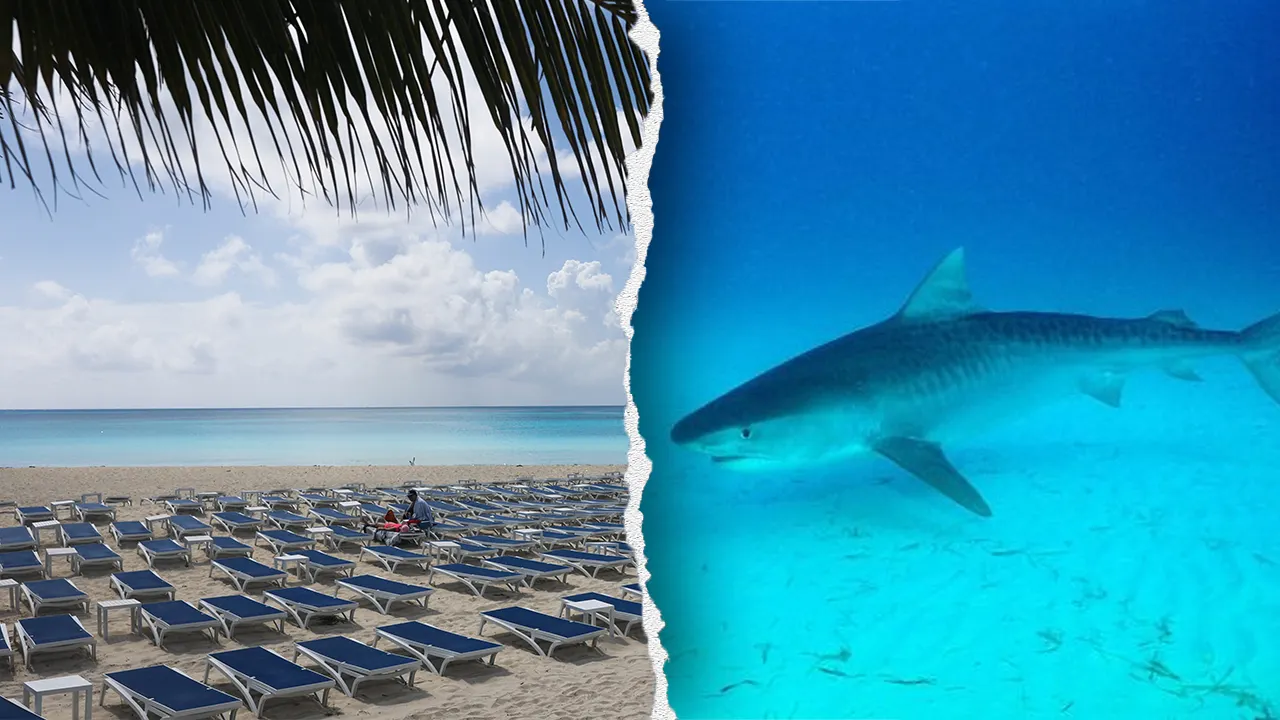
Snorkeling Nightmare: The Shocking Shark Attack That Changed Everything
A vacation in paradise took a tragic turn when a tourist lost both hands during a shark attack while snorkeling in the beautiful waters of Turks and Caicos. This shocking incident has raised alarming questions about safety protocols and the inherent risks associated with underwater photography. In this article, we will explore the details of this unfortunate event, the reactions from the community, and the implications for snorkeling tourism and safety practices.
The Incident: A Day That Went Horribly Wrong
On what began as a sunny day in Turks and Caicos, a group of tourists set out to enjoy the vibrant marine life that the islands are famous for. Among them was a young woman, eager to capture the beauty of the underwater world through her camera lens. As she donned her snorkeling gear and entered the water, excitement filled the air. Little did she know that this day would turn into a snorkeling nightmare.
While posing for photos, the woman found herself in close proximity to a shark. Eyewitnesses reported that she was attempting to take a selfie when the shark, presumably startled by her movements, lunged towards her. In a horrifying twist, the shark attacked, resulting in the loss of both her hands. Immediate chaos ensued as fellow snorkelers rushed to her aid, and organizers called for emergency services.
Emergency Response and Aftermath
Emergency responders arrived swiftly, and the tourist was airlifted to a nearby hospital where she underwent urgent surgery. Despite the best efforts of medical professionals, the damage was irreparable, leading to the traumatic loss of her hands. The incident sent shockwaves through the local community and the tourism industry.
Local authorities, along with tourism boards, began assessing safety protocols in light of this tragic event. The incident has led to increased discussions regarding the presence of sharks in popular snorkeling areas. While shark attacks are rare, they can be devastating and are often sensationalized in media reports. However, the reality is that such encounters can happen, especially when tourists engage in activities that may inadvertently attract sharks.
Understanding Shark Behavior
Sharks are often misunderstood creatures. Many species are not aggressive towards humans and would rather avoid contact. However, certain behaviors can increase the likelihood of an encounter:
- Splashing: Rapid movements in the water can mimic the behavior of distressed prey.
- Bright colors: Wearing bright swimsuits or accessories can attract sharks as they hunt.
- Feeding: Tourists feeding fish can draw in sharks, creating hazardous situations.
Education is crucial for tourists engaging in snorkeling activities. Understanding the environment and respecting marine life can significantly reduce risks.
Tourism and Safety Protocols
In the wake of the attack, the tourism sector in Turks and Caicos is under scrutiny. While the islands are known for their breathtaking scenery and rich marine biodiversity, safety standards must be paramount. Here are some considerations for improving safety protocols:
- Pre-snorkeling Briefings: Operators should provide thorough safety briefings that include information on shark behavior and how to minimize risks.
- Guided Tours: Employing experienced guides who can navigate the waters and anticipate wildlife behavior can enhance safety.
- Emergency Preparedness: Ensuring that all operators are equipped with emergency kits and have a clear plan for medical emergencies is essential.
Additionally, the importance of adhering to local regulations and guidelines can not be overstated. Tourists should always check for the latest information on snorkeling conditions and shark activity before entering the water.
Personal Experiences and Insights
Having snorkeled in various locations around the world, I can attest to the thrill and beauty of underwater exploration. However, I also recognize the importance of caution. I’ve encountered sharks during my snorkeling adventures, and while I was fortunate to have safe interactions, I’ve always maintained a healthy respect for these magnificent creatures.
One lesson I took away from my experiences is the value of education. Before venturing into the ocean, I made it a point to learn about the local marine life, including the types of sharks that inhabit the area. Understanding the environment can help mitigate fears and ensure a safer experience.
Looking Forward: Advocacy for Change
The tragic incident in Turks and Caicos serves as a stark reminder of the potential dangers that lurk in paradise. As discussions unfold regarding safety protocols, advocacy for better practices is essential. Here are some proactive steps that can be taken:
- Community Engagement: Local businesses and communities should work together to promote safety awareness among tourists.
- Research and Data Collection: Ongoing research into shark populations and behaviors can lead to better understanding and management of snorkeling sites.
- Support for Victims: Establishing funds or support networks for victims of shark attacks can help individuals and families affected by such tragedies.
As the tourism industry grapples with the implications of this incident, it’s crucial to remember that while the ocean is a source of beauty, it is also a wild and unpredictable environment. Education, awareness, and proactive safety measures can help ensure that snorkeling remains a cherished experience for all.
Conclusion: The Importance of Safety in Snorkeling
The snorkeling nightmare that unfolded in Turks and Caicos is a sobering reminder of the risks associated with marine activities. As we reflect on this tragic event, it is vital to prioritize safety, education, and responsible tourism. The ocean offers countless wonders, but it requires respect and caution. By implementing better safety protocols and fostering a culture of awareness, we can help ensure that snorkeling remains a safe adventure, allowing tourists to appreciate the beauty of the underwater world without fear.
See more BBC Travel World


