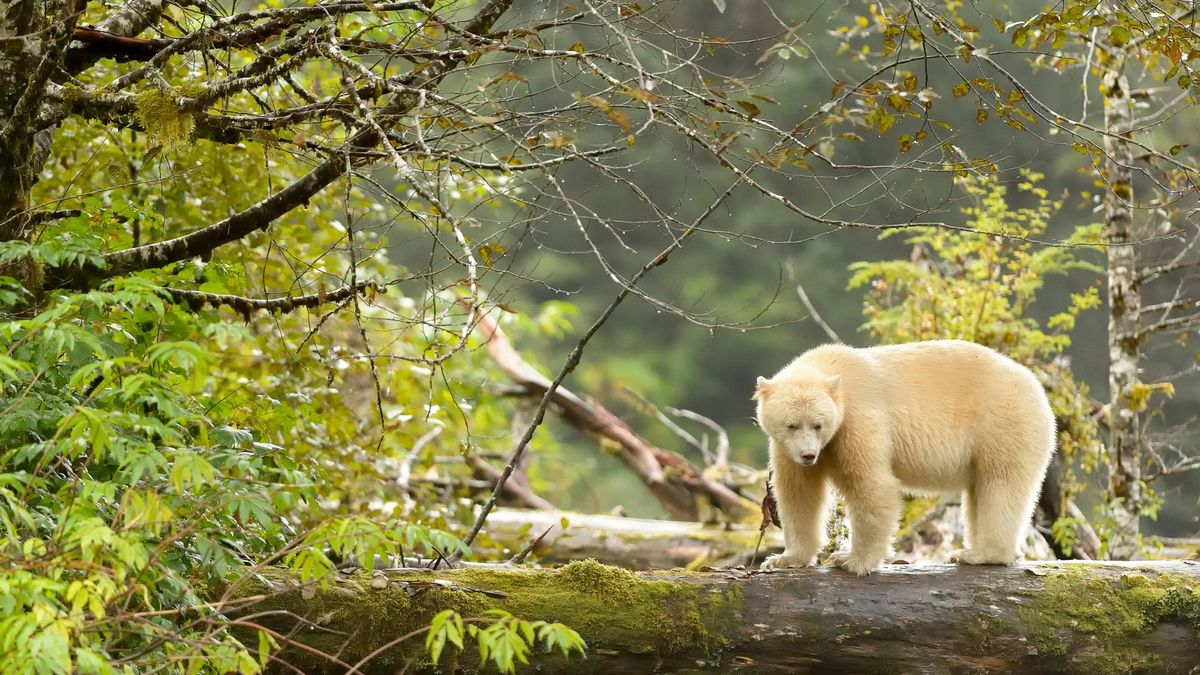
Unveiling the Mystique of British Columbia’s Spirit Bears
As we journey into the heart of British Columbia, we find ourselves captivated by one of nature’s rarest and most enigmatic creatures: the spirit bear. Known scientifically as the Kermode bear, these stunning white variants of the black bear hold a unique place in both the ecosystem and the cultural heritage of the region. Their ethereal beauty, coupled with their significant conservation status, makes them a pivotal subject of study and admiration. In this article, we will delve into the habitat of the spirit bears, the ongoing conservation efforts to protect them, and the profound cultural significance they hold for local Indigenous communities.
The Habitat of Spirit Bears
Spirit bears primarily inhabit the lush, temperate rainforests of the Great Bear Rainforest on the central coast of British Columbia. This region boasts an astonishing variety of biodiversity, featuring towering cedar and spruce trees, rich undergrowth, and an array of wildlife. The secret to the spirit bear’s striking white coat lies in a genetic mutation that affects pigmentation—this phenomenon is particularly prevalent among the bear population in this isolated area.
These bears are not entirely white; rather, their fur can range from creamy beige to almost pure white, making them stand out against the verdant backdrop of their habitat. They are primarily found in coastal regions where salmon runs are plentiful, providing a bountiful food source for these bears. The availability of food plays a crucial role in the health and sustainability of the spirit bear population.
Conservation Efforts for Spirit Bears
Despite their captivating appearance, spirit bears face significant threats from habitat loss, climate change, and human activity. Conservationists, scientists, and local Indigenous groups have united in their efforts to protect these remarkable creatures and their ecosystems. Here are some key initiatives:
- Protected Areas: The establishment of protected areas, such as the Great Bear Rainforest, has been a significant step toward preserving the habitat of spirit bears. These zones restrict logging and industrial development, allowing the natural ecosystem to thrive.
- Community Involvement: Local Indigenous communities, such as the Heiltsuk and Kitasoo/Xai’Xais Nations, play a crucial role in conservation efforts. Their traditional knowledge and stewardship practices are vital for the sustainable management of the land and wildlife.
- Research and Monitoring: Ongoing research aims to monitor spirit bear populations and their health. Innovative tracking methods, such as GPS collars, help scientists understand their movements, breeding patterns, and interaction with their environment.
- Awareness Campaigns: Educational programs and awareness campaigns are crucial for garnering public support for conservation efforts. By highlighting the spirit bear’s unique status and the threats they face, organizations aim to inspire action and advocacy.
The Cultural Significance of Spirit Bears
For Indigenous peoples of British Columbia, the spirit bear is more than just a rare animal; it represents a deep connection to the land, spirituality, and cultural identity. Stories and legends surrounding the spirit bear are woven into the fabric of Indigenous culture, often symbolizing strength, resilience, and respect for nature.
The Kermode bear is considered sacred by many Indigenous groups. It is seen as a symbol of transformation and healing, often featured in traditional artwork, storytelling, and ceremonies. For instance, the bear is frequently portrayed in totem poles and carvings, reflecting its importance in the spiritual and social narratives of these communities.
One poignant legend tells of a white bear that emerged from a great flood, signifying hope and renewal. This narrative echoes the ongoing struggle for conservation—just as the bear symbolizes resilience, so too do the efforts to protect its habitat reflect humanity’s capacity for change and redemption.
Challenges Facing Spirit Bear Conservation
While strides have been made in protecting the spirit bear, numerous challenges persist that threaten their survival. These include:
- Climate Change: Alterations in climate patterns affect salmon populations, which are vital for the bears’ diet. Warmer temperatures and changing precipitation patterns can disrupt the delicate balance of the ecosystem.
- Logging and Development: Despite protective measures, illegal logging and industrial development continue to pose risks to the spirit bear’s habitat. Encroachment can lead to fragmentation of their living space, making it more difficult for them to thrive.
- Human-Wildlife Conflict: As human populations expand, encounters between bears and people increase. This can lead to negative perceptions of bears, resulting in harmful outcomes for wildlife.
The Future of Spirit Bears
Looking ahead, the future of British Columbia’s spirit bears hinges on continued collaboration between conservationists, Indigenous communities, and governmental agencies. By working together, they can ensure that the mystique of the spirit bear continues to thrive in its natural habitat. Key areas of focus for the future include:
- Enhanced Legal Protections: Advocating for stronger legal protections for habitats critical to the survival of spirit bears is essential. This includes expanding the areas designated as protected lands.
- Community-led Conservation: Empowering local Indigenous communities to lead conservation efforts can yield more effective and culturally relevant strategies that respect traditional ecological knowledge.
- Education and Advocacy: Raising awareness about the plight of spirit bears and the importance of biodiversity can galvanize public support for conservation initiatives.
Conclusion
Unveiling the mystique of British Columbia’s spirit bears reveals a complex tapestry of ecological significance, cultural heritage, and conservation challenges. These rare creatures, with their striking white coats and deep-rooted stories, inspire awe and respect in all who encounter them. As we continue to explore the relationship between humanity and the natural world, let us honor the spirit bear not only as a symbol of beauty but also as a reminder of our responsibility to protect the delicate ecosystems that sustain them. Through collective efforts, we can ensure that the spirit bear remains a living testament to the resilience of nature and the enduring bond between Indigenous cultures and their ancestral lands.
See more BBC Travel World


