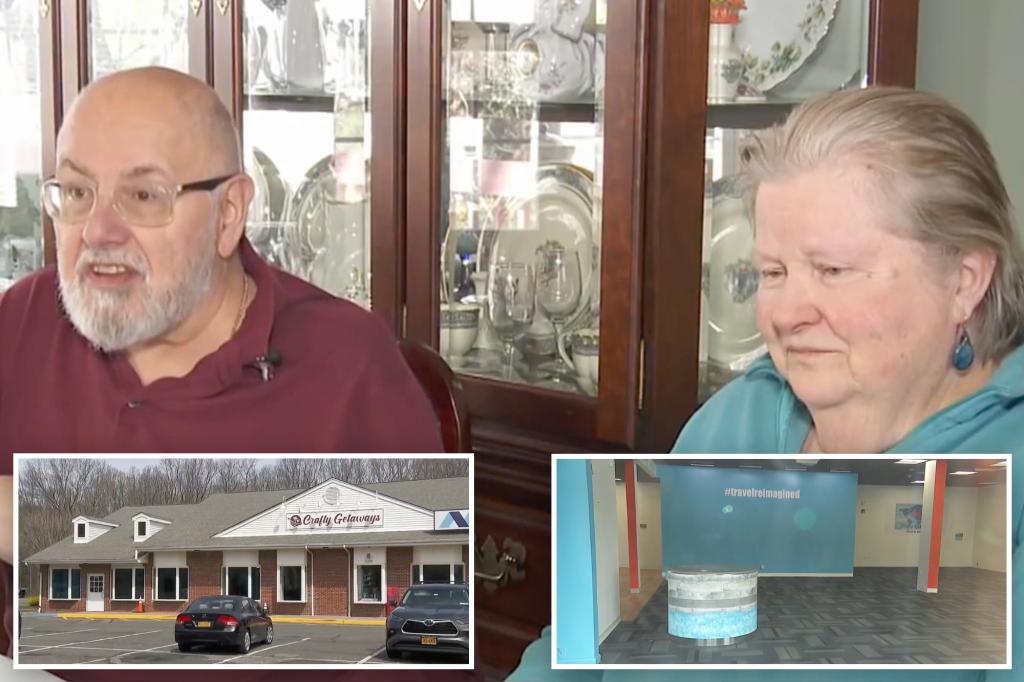
Grandparents’ Dream European Vacation Turns into Travel Nightmare
Robert and Linda Feldman, a retired couple from Long Island, New York, spent $23,000 on what was supposed to be the trip of a lifetime—a luxurious European tour. Instead, their dream vacation collapsed when their travel agency vanished without a trace, leaving them stranded mid-itinerary. The Feldmans’ ordeal highlights growing concerns about consumer protections in the travel industry.
A Promising Journey Derailed
The Feldmans had meticulously planned their three-week European getaway through Elite Travel Concierge, a boutique agency specializing in high-end experiences. Their itinerary included private tours of Rome’s Colosseum, a Danube River cruise, and stays at five-star hotels. “We saved for years to celebrate our 40th anniversary this way,” Linda told reporters. “The agency had stellar reviews and seemed legitimate.”
Problems arose days before departure when their e-tickets failed to materialize. The agency’s phone lines went dead, and its website disappeared. By then, the couple had already wired their final payment. “We boarded the flight to Italy praying the hotels would honor our reservations,” Robert said. They didn’t. The Feldmans spent frantic hours on hold with credit card companies, eventually footing $8,000 more for last-minute lodgings.
Travel Industry Vulnerabilities Exposed
The Feldmans’ experience reflects a troubling trend. The Federal Trade Commission (FTC) reported a 62% increase in travel fraud complaints since 2019, with losses exceeding $50 million in 2022 alone. Meanwhile, the American Society of Travel Advisors (ASTA) warns that post-pandemic demand has emboldened scammers.
- No-show agencies: 23% of travelers reported unpaid bookings in 2023 (ASTA data)
- Weak safeguards: Only 14 states require travel sellers to register or post bonds
- Recovery challenges: Chargeback success rates drop below 40% after 60 days (Visa analysis)
“This isn’t just about stolen money—it’s shattered trust,” said travel attorney Cynthia Day. “Victims often discover too late that agencies operated without licenses or insurance.”
Who Protects Travelers?
While airlines and hotels have clear reimbursement policies, tour operators exist in a regulatory gray area. The U.S. lacks a centralized travel licensing system, leaving oversight to patchwork state laws. For instance:
- California mandates $100,000 surety bonds for sellers of travel
- Florida requires registration but no financial safeguards
- New York—where the Feldmans booked—has no specific protections
Industry groups like ASTA advocate for standardized accreditation. “Look for ASTA or IATA logos,” advised consumer advocate Mark Jacobs. “Verify credentials through third-party sites like BBB or Trustpilot before wiring funds.”
Rebuilding After the Disaster
The Feldmans are pursuing legal action but face slim odds. “The agency’s owner appears to have fled the country,” their attorney confirmed. Their credit card company reimbursed $15,000, but the couple lost $8,000 in non-refundable excursions.
Other victims shared similar stories in online forums. A Texas family lost $12,000 on a canceled African safari, while a Minnesota widow was duped by a fake luxury cruise. “These scams target older travelers who aren’t tech-savvy,” noted Jacobs.
How to Safeguard Your Travel Investment
Experts recommend these precautions when booking high-value trips:
- Use credit cards: They offer better fraud protection than wire transfers
- Demand contracts: Insist on detailed itineraries with cancellation terms
- Verify insurance: Ensure the agency carries Errors & Omissions coverage
- Check registries: Search state attorney general databases for complaints
“If a deal seems too good to be true, it probably is,” Day emphasized. “Legitimate agencies don’t demand full payments upfront.”
A Call for Industry Reform
The Feldmans’ case has drawn attention from legislators. New York State Senator James Sanders Jr. recently proposed a bill requiring travel agencies to disclose bonding status. Meanwhile, ASTA pushes for federal intervention. “Until regulations catch up, travelers must be their own advocates,” Sanders said.
For now, the Feldmans are warning others through community workshops. “We won’t get our money or dream trip back,” Linda said. “But maybe we can prevent someone else’s nightmare.”
Have you experienced travel fraud? Share your story with consumer protection agencies like the FTC or your state attorney general’s office to help track predatory operators.
See more BBC Travel World


