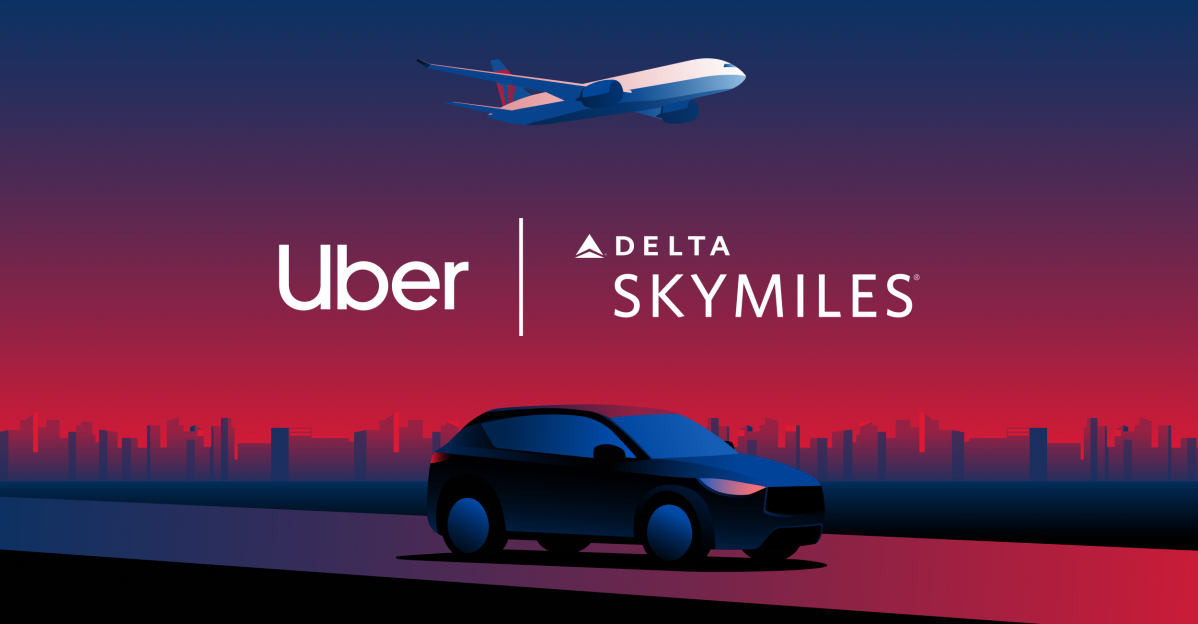
Uber and Delta Join Forces: Earn Miles While You Ride
In a groundbreaking partnership announced this week, Uber and Delta Air Lines have launched a rewards program that allows riders to earn frequent flyer miles with every trip. Starting immediately, Delta SkyMiles members in the U.S. can link accounts with Uber to accumulate miles on rideshare, Uber Eats orders, and bike-share services. The collaboration aims to enhance customer loyalty by merging ground and air travel rewards—a first-of-its-kind integration between major transportation platforms.
How the Uber-Delta Rewards Program Works
To participate, users must connect their Delta SkyMiles and Uber accounts through either company’s app. Once linked, they’ll earn:
- 1 mile per $1 spent on UberX, Uber Green, and Uber Comfort rides
- 2 miles per $1 spent on Uber Black, Uber Black SUV, and Uber Premier rides
- 1 mile per $2 spent on Uber Eats deliveries (excluding fees and tips)
“This partnership redefines travel rewards by recognizing that a passenger’s journey begins the moment they leave their home,” said Delta’s Chief Marketing Officer, Mary Ann Tally. “We’re meeting customers where they are—whether that’s en route to the airport or grabbing dinner after a flight.”
The Strategic Benefits for Both Companies
Industry analysts note the deal arrives as both companies rebound from pandemic losses. Uber reported a 72% year-over-year increase in mobility revenue in Q2 2023, while Delta saw a 13% rise in passenger miles during the same period. By combining forces, they tap into each other’s customer bases:
- For Uber: Attracts higher-value customers who frequently travel
- For Delta: Encourages brand loyalty beyond flight bookings
Transportation economist Dr. Lisa Chen of Cornell University explains: “This creates a virtuous cycle. Uber gains business from Delta’s 46 million SkyMiles members, while Delta locks in travelers who might otherwise consider competitors when redeeming miles.”
Consumer Reactions and Competitive Landscape
Early adopters like frequent traveler Jason Ruiz, who averages 50 Uber rides monthly for work, praise the initiative: “I spend $800 monthly on Uber. Converting that into 800 SkyMiles is like getting a free domestic flight every year—just for rides I’d take anyway.”
However, some consumers express concerns about limited-time promotions. The current 1:1 mile ratio applies only through December 2023, after which it may adjust. Uber’s FAQ states future rates will remain “competitive,” but hasn’t specified numbers.
The move pressures rivals like Lyft and American Airlines, whose similar 2018 partnership offered fewer earning opportunities. Meanwhile, United Airlines recently expanded its own ground transport rewards via rental car partnerships.
Future Implications for the Travel Industry
This collaboration signals a broader trend of integrated mobility rewards. According to a 2023 Phocuswright study, 68% of travelers want unified loyalty programs across transportation modes. Other potential developments include:
- Hotel chains partnering with rideshare companies
- Airports offering bonus miles for Uber rides to/from terminals
- Dynamic pricing where miles earned adjust based on demand
Uber’s Head of Travel Partnerships, Rajiv Aggarwal, hints at more innovations: “Imagine using SkyMiles to upgrade your Uber Comfort ride to Black—that’s the seamless experience we’re building toward.”
How to Maximize Your Earnings
Frequent travelers can optimize benefits by:
- Linking accounts before October 31 to receive a 500-mile bonus
- Using Uber for airport transfers (typically higher fares mean more miles)
- Paying with Delta SkyMiles® American Express Cards for additional multipliers
As the holiday travel season approaches, this partnership could shift consumer behavior. With 42% of Uber rides already airport-related (per company data), the program turns routine trips into stepping stones for future vacations.
Next Steps: Delta SkyMiles members can activate the offer immediately via the Uber app’s “Rewards” section. Both companies plan to expand the program internationally in 2024, pending regulatory approvals.
See more BBC Travel World


