Unveiling the Secrets of Venus Flytraps
The Venus flytrap, a remarkable carnivorous plant native to the Carolinas, captures the imagination of nature enthusiasts and scientists alike. This article explores the unique ecosystem that supports these extraordinary plants and highlights their ecological significance and the threats they face.
What Are Venus Flytraps?
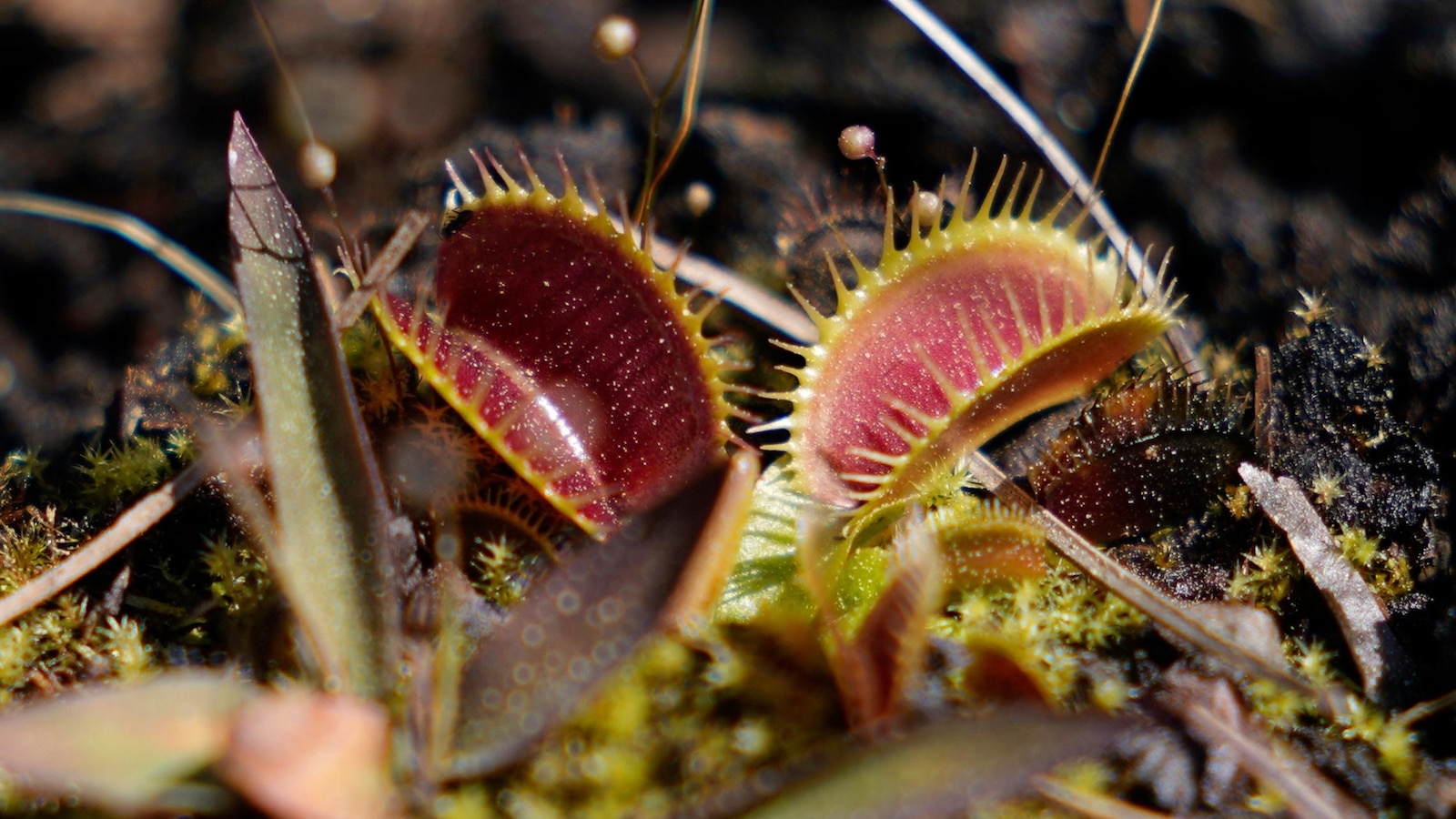
Scientific name Dionaea muscipula, the Venus flytrap is a small perennial plant that thrives in nutrient-poor, acidic soils of the coastal wetlands of North and South Carolina. Characterized by its jaw-like lobes, each equipped with hair-like projections called trichomes, the plant captures unsuspecting insects, primarily to supplement its nutrient intake.
The Mechanism of Capture
Venus flytraps employ a rapid snap mechanism to catch their prey. When an insect triggers the sensitive hairs inside the lobes, the trap closes in less than a second. This unique adaptation allows the plant to thrive in environments where nitrogen is scarce. Studies have shown that the plant can close its trap up to three times before it becomes ineffective, showcasing its efficiency in nutrient acquisition.
The Ecosystem of the Carolinas
The natural habitat of Venus flytraps is a unique ecosystem that supports a variety of plant and animal life. The wetlands are characterized by:
- Low Nutrient Levels: The sandy soils in which these plants grow are low in nitrogen.
- High Moisture: The region experiences frequent rainfall, providing the wet conditions necessary for the plants’ survival.
- Sunshine: Full sun exposure is vital for photosynthesis, allowing the flytrap to thrive.
These factors combined create an environment where Venus flytraps can flourish, but they also face mounting challenges from habitat destruction and climate change.
Ecological Significance
Venus flytraps play a crucial role in their ecosystem. By controlling insect populations, they help maintain the balance of the local food web. Furthermore, their existence contributes to soil health by breaking down organic matter and enhancing nutrient cycling.
Interestingly, research indicates that the decline of flytrap populations could lead to overpopulation of certain insect species, which may disrupt the local ecosystem. Conservation efforts are therefore essential to protect these unique plants and their habitats.
Threats to Survival
Despite their fascinating adaptations, Venus flytraps are under threat from various factors:
- Habitat Loss: Urban development and agriculture have led to significant habitat destruction.
- Overharvesting: The demand for Venus flytraps as ornamental plants has resulted in unsustainable harvesting practices.
- Climate Change: Alterations in climate patterns can disrupt the delicate balance of their native habitats.
Conservationists are working tirelessly to mitigate these threats through habitat restoration and public education initiatives. The North Carolina Botanical Garden, for instance, has implemented programs to raise awareness and protect these plants in their natural environment.
Future Outlook
The future of Venus flytraps depends on concerted conservation efforts and public awareness. Scientists are currently researching ways to improve propagation techniques, ensuring that these plants can be cultivated sustainably. Additionally, educational programs aim to inspire future generations to appreciate and protect this unique species.
Conclusion
The Venus flytrap remains one of nature’s most intriguing marvels, embodying the delicate balance of life within the Carolinas’ ecosystems. Protecting these plants is not just about preserving a species; it is about maintaining the integrity of an entire ecosystem. As we continue to unveil the secrets of the Venus flytrap, let us commit to safeguarding its future and the unique environment it represents.
Call to Action: Join local conservation efforts or visit the natural habitats of Venus flytraps to better understand their importance and advocate for their protection.
See more BBC Travel World


