Celebrating a Century: The Enduring Allure of Zion National Park
As Zion National Park commemorates its 100th anniversary, it stands not just as a testament to nature’s grandeur, but also as a symbol of conservation and ecological significance. This milestone invites us to reflect on the breathtaking landscapes, unique biodiversity, and the park’s pivotal role in preserving the beauty of the American Southwest.
A Journey Through Time: The History of Zion National Park
Zion National Park was officially designated as a national park on November 19, 1919, but its history predates this by thousands of years. Indigenous peoples, including the Ancestral Puebloans and Southern Paiutes, inhabited this region, leaving behind a rich cultural heritage that intertwines with the natural environment.
In the early 20th century, the area gained popularity due to its stunning canyons, towering cliffs, and diverse ecosystems. As tourism increased, the need for conservation became apparent. The establishment of the park was a significant step towards protecting these natural wonders from potential exploitation.
Breathtaking Landscapes: A Geological Masterpiece
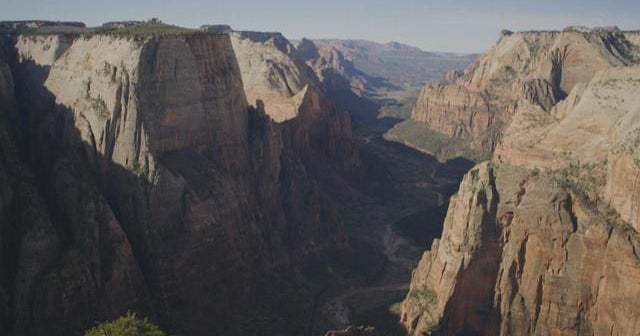
Zion’s dramatic landscapes are a result of millions of years of geological activity. The park showcases a variety of rock formations, including stunning cliffs of Navajo sandstone, which have been shaped by erosion and the relentless passage of the Virgin River.
- The Zion Canyon: One of the most famous features of the park, this canyon runs for 15 miles, presenting visitors with awe-inspiring views at every turn.
- Angels Landing: A challenging hike that rewards adventurers with panoramic vistas of the canyon below, Angels Landing is a quintessential Zion experience.
- The Narrows: This slot canyon offers a unique hiking experience, where visitors wade through the Virgin River surrounded by towering walls of rock.
Biodiversity: A Sanctuary for Flora and Fauna
The biodiversity within Zion National Park is as impressive as its landscapes. The park is home to a wide variety of plant and animal species, many of which are endemic to the region. This rich biodiversity is crucial not only for ecological balance but also for scientific research and conservation efforts.
Notable species include:
- Desert Tortoise: A threatened species that plays a vital role in the desert ecosystem.
- California Condor: Once on the brink of extinction, ongoing conservation efforts in the park have helped this majestic bird to regain a foothold.
- Unique Flora: Plants like the Zion Ponderosa Pine and various wildflowers contribute to the park’s vibrant ecosystem.
The Role of Zion National Park in Conservation
Zion National Park has been at the forefront of conservation efforts in the American Southwest. The park’s management practices emphasize sustainable tourism, habitat restoration, and the protection of endangered species.
In recent years, challenges such as climate change and increased visitation have prompted park officials to adopt innovative strategies. These include:
- Visitor Education: Programs aimed at educating the public about the fragile ecosystems within the park are crucial for fostering a culture of conservation.
- Sustainable Infrastructure: Efforts to minimize the environmental impact of park facilities and transportation systems ensure that future generations can enjoy Zion’s natural beauty.
- Research Initiatives: Collaborations with universities and conservation organizations help in studying the effects of climate change and developing effective management strategies.
Looking Ahead: The Future of Zion National Park
As Zion National Park enters its second century, the focus will be on balancing the needs of visitors with the imperative to protect the park’s delicate ecosystems. The park is expected to face numerous challenges, including:
- Increased Tourism: With more people seeking outdoor experiences, managing visitor impact while preserving the natural environment will be a priority.
- Climate Change: The effects of climate change on water resources, wildlife, and plant life will require adaptive management strategies.
- Technological Advances: Utilizing technology for monitoring ecosystems and enhancing visitor experiences could play a crucial role in future conservation efforts.
Conclusion: A Legacy of Natural Wonder
Celebrating a century of Zion National Park is not merely an acknowledgment of its past, but a commitment to its future. The park’s stunning landscapes and unique biodiversity continue to inspire awe and appreciation among visitors. As stewards of this remarkable natural treasure, we have a responsibility to ensure that Zion remains a sanctuary for generations to come.
So, whether you’re hiking the trails, marveling at the cliffs, or simply soaking in the serene beauty, remember that your visit to Zion is part of a larger narrative—a century of conservation, wonder, and respect for one of nature’s masterpieces.
See more BBC Travel World


